

Role: Author
Vartan Gregorian
Vartan Karapetian
Vartan Matiossian
Vartan Oskanian
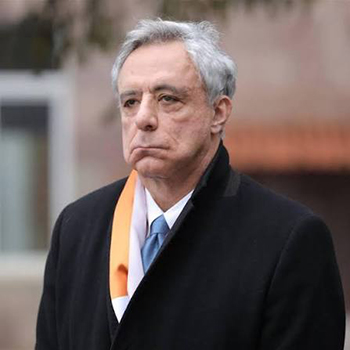
Vartan Oskanian was appointed deputy foreign minister of Armenia in 1994, first deputy foreign minister in 1997 and foreign minister in 1998. From 1993 to 2008, he was Armenia’s negotiator in the Karabakh peace talks. In May 2008, he founded the Civilitas Foundation. Based in Yerevan, Civilitas promotes peace and stability in the Caucasus through research, multifaceted dialogue, open discourse and publications, and supports democratic processes and egalitarian development in Armenia.
Vartan Tachdjian
ԲԺԻՇԿ ՎԱՐԴԱՆ ԹԱՇՃԵԱՆը ծնած է Պէյրութ, Լիբանան։ Վկայուած է ֆրանսական Սեն Ժոսէֆ համալսարանէն եւ դարձաց ծանօթ մանկաբոյժ։ Երկրին քաղաքացիական պատերազմին իբրեւ հետեւանք՝ հաստատուած Միացեալ Նահանգներ, Քալիֆորնիա, ուր 1989ին տրացած է ընդհանուր բժշկութեան եւ վիրաբուժութեան արտօնագիրին եւ կը շարունակէ գործել մինչեւ այսօր։ Սկիզբէն եւ մօտէն առնչութիւն ունեցողներէն եղած է հայ բժիշկներու համաշխարհային գործունէութիւններուն հետ։
DR. VARTAN TACHDJIAN was born in Beirut, Lebanon in 1933. He graduated from the St. Joseph French University and became a known pediatrician. Escaping the civil war of Lebanon, he settled in California where in 1989 he continued his practice as a doctor and surgeon. He has been a member of the International Association of Armenian Doctors.
Vartan Zorents
Varteni Maadanjian-Kasparian
Vardapet Arak‘el of Tabriz
Vardges Davtyan
