

Kara-Darvish (Hakob Genjian) was an Armenian Futurist poet who lived and worked mainly in Tiflis, Georgia, before and after World War I. He wrote several novels and manifestoes, but is best known for the “postcard” poems he distributed at cafés and outside cinemas which proclaim his cosmopolitan and revolutionary credo and experiment with odd typefaces and experiment with incantatory nonsense words in Armenian, dipping also into the Armenian mythological past. (His Russian Futurist colleagues named this technique zaum’, i.e., transrational language.) Among his friends and associates were the poets Osip Mandelstam and Yeghishe Charents. Kostan Zarian evokes the poet and his turbulent surroundings in the novel Nave Leran Vra (The Ship upon the Mountain).
Role: Author
Karapet Pashian
Karapet Sital
Karapet Sital, a native of Kasht, set down the epic in a unique and rare volume, recasting it as an anti-fascist allegory. The full text is presented here, with an annotated translation and philological study by Prof. James Russell of Harvard University.
Kardash Onnig

Born in Zahleh, Lebanon, in 1941, Kardash Onnig escaped the Armenian fratricide of 1958, which was being waged in the streets of Beirut, by immigrating to New York. After becoming a driving force in the emerging field of multimedia in the 1960s, he left the corporate world and eventually settled down in upstate New York, where he built his home and studio.\
Karekin I Catholicos
Karekin Sarkissian
Karen Hrant Khanlari (Khanlarian)
Karen Jeppe
Jonas Kauffeldt is Assistant Professor of History at the University of North Georgia.
Karen Kalantar
Karen Karslyan
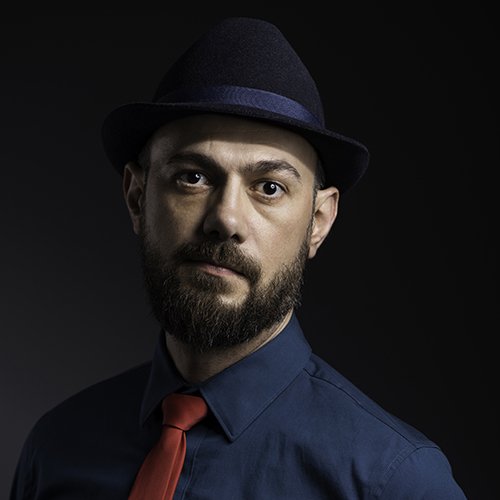
Karén Karslyan (b. 1979) is a poet, visual artist, translator, holds a PhD in English and is the chairman of the Writers for Peace Committee of PEN Armenia. He is the author of six books including, Lezvi Tsayrin (On the Tip of the Tongue), a collection of poetry (Granish, 2022); and Aterazma, a typographic film-novel (Inknagir, 2016). His Armenian translation of Lust by Kathy Acker was published by Inknagir in 2015. His writing has been featured in anthologies across multiple languages, including English, Spanish, and French. His performative lectures of Aterazma have been hosted by Coimbra University (2018) and the University of Michigan (2022). His visual art includes flipbooks and video art pieces that have been exhibited at film and art festivals. He is the recipient of the Granish Best Short Story Award (2024) and Best Poetry Award (2021), as well as NPAK’s Young Artists Award (2004). In 2003, he was recognized as Armenia’s “Scandalous Writer of the Year” by Public TV. Born and raised in Armenia, he now lives in Wisconsin.
Կարեն Ղարսլյան (ծնվ. 1979)՝ բանաստեղծ, տեսողական արվեստագետ, թարգմանիչ և բանասիրական գիտությունների թեկնածու է, ինչպես նաև ՓԵՆ-Հայաստանի «Գրողներ հանուն խաղաղության» հանձնախմբի նախագահը: Հեղինակել է վեց գիրք, որոնց թվում են «Ոչ մի ուրիշբառ» (հայկուների ժողովածու, Գրանիշ, 2024), «Լեզվի ծայրին» (բանաստեղծությունների ժողովածու, Գրանիշ, 2022) և «Ատերազմա» (տպագրական ֆիլմ-վեպ, Ինկնագիր, 2016): Նրա թարգմանությամբ լույս է տեսել Քեթի Աքերի «Բղջախոհություն» վեպը (Ինքնագիր 2015): Նրա երկերը ընդգրկվել են բազմաթիվ անթոլոգիաներում մի քանի լեզուներով, ներառյալ անգլերեն, իսպաներեն և ֆրանսերեն: «Ատերազմա» գրքի կատարողական դասախոսություններով Ղարսլյանը հանդես է եկել Կոիմբրայի համալսարանում (2018) և Միչիգանի համալսարանում (2022): Նրա տեսողական արվեստի գործերը ներառում են ֆլիփբուքեր և տեսաֆիլմեր, որոնք ներկայացվել են կինոյի և արվեստի փառատոներում: 2024 թ. արժանացել է Գրանիշի «Լավագույն արձակ», իսկ 2021 թ.՝ «Լավագույն պոեզիա» մրցանակներին: 2004 թվականին ստացել է «ՆՓԱԿ»-ի Երիտասարդ արվեստագետի մրցանակը, իսկ 2003 թ. ՀՀ Հանրային հեռուստաընկերության կողմից ճանաչվել է «Տարվա սկանդալային գրող»: Ծնվել, մեծացել է Հայաստանում, ներկայում բնակվում է Վիսկոնսին նահանգում: