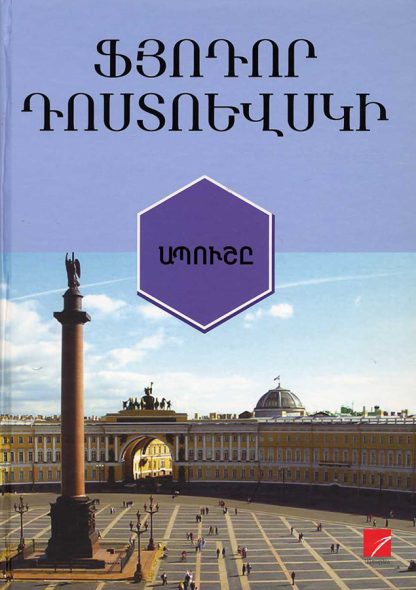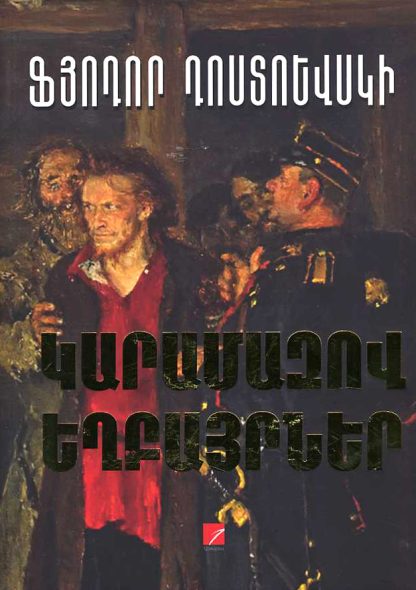

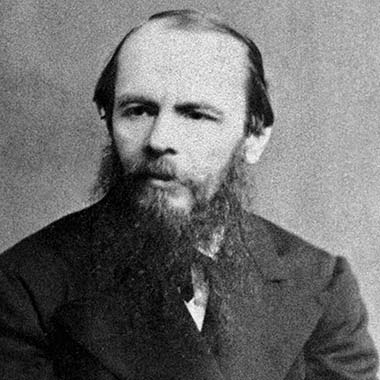
Fyodor Dostoevsky (1821–1881) was a monumental Russian novelist, journalist, and philosopher whose deeply psychological fiction explored the darkest, most turbulent corners of the human soul. Born in Moscow, his early literary success was violently interrupted in 1849 when he was arrested for participating in a radical intellectual circle, narrowly escaping a mock execution before serving four grueling years of hard labor in a Siberian prison camp. This profound spiritual crisis transformed his worldview, inspiring his transition into an uncompromising explorer of existential dread, Christian redemption, and the psychological burdens of morality. Over his prolific career, Dostoevsky authored enduring world masterpieces including Crime and Punishment, The Idiot, Demons, and The Brothers Karamazov, utilizing complex, highly vocal characters to deliver a visionary critique of nihilism and cement his legacy as one of the founding fathers of modern existentialism and psychological realism.