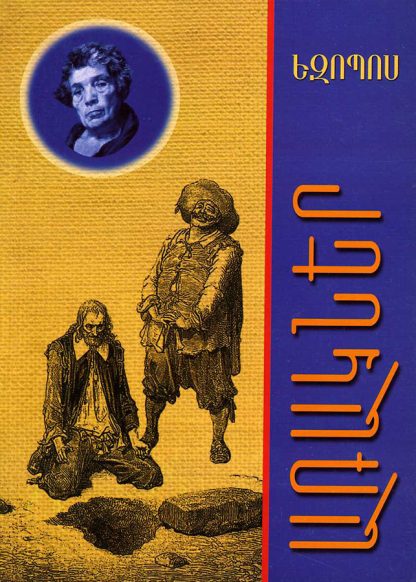

Aesop (c. 620 – 564 BCE) was a legendary Ancient Greek storyteller credited with founding the genre of the fable. According to historical accounts by Herodotus, he lived as a slave on the island of Samos, gained widespread renown for his exceptional wit, and was tragically killed in Delphi. Through hundreds of brief moral tales featuring anthropomorphic animals and plants to critique human vices, he popularized a veiled, allegorical style of speech known today as “Aesopian language.” His vast literary legacy profoundly shaped world literature, directly inspiring later master fabulists such as Jean de La Fontaine, Ivan Krylov, and classical Armenian writers Mkhit`ar Gosh and Vardan Aygektsi.
Եզոպոսը (մոտ մ.թ.ա. 620 – 564 թթ.) հին հունական առասպելական առակագիր է, ում վերագրվում է առակի ժանրի հիմնադրումը: Ըստ Հերոդոտոսի՝ նա եղել է ստրուկ Սամոսում, հռչակվել իր սրամտությամբ և սպանվել Դելփիում: Անձնավորված կենդանիների ու բույսերի միջոցով մարդկային արատները քննադատող նրա կարճ պատմությունները հիմք դրեցին քողարկված, այլաբանական խոսքին՝ «եզոպոսյան լեզվին»: Նրա գրական ժառանգությունը խորապես ազդել է համաշխարհային գրականության վրա՝ ոգեշնչելով Լաֆոնտենին, Կրիլովին, ինչպես նաև հայ մեծ առակագիրներ Մխիթար Գոշին ու Վարդան Այգեկցուն: